Chicago After Dark Adult Entertainment Rules
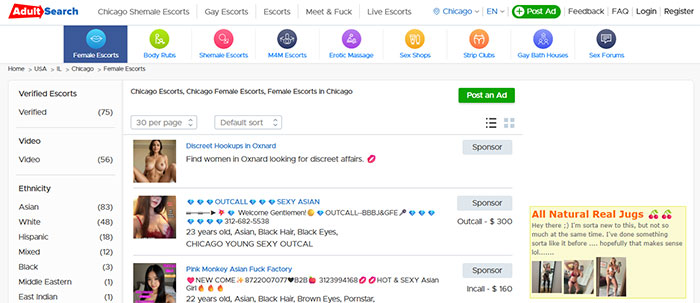
Chicago's nightlife extends far beyond its renowned jazz clubs and cocktail bars. The city has a detailed adult entertainment environment governed by specific regulations that visitors and residents should know. These rules determine everything from where adult venues can operate to how escort services can advertise their services throughout the metropolitan area.
Navigating Chicago's adult entertainment scene requires knowledge of both city ordinances and Illinois state laws. These regulations cover licensing requirements, zoning restrictions, and operational guidelines for businesses in this sector. Learning about these legal frameworks helps ensure interactions remain within established boundaries.
The city's method for regulating adult services has changed over decades, balancing community concerns with personal freedoms. While some areas maintain stricter enforcement than others, the overall regulatory environment aims to provide clear guidelines for both service providers and clients. This creates a structured system where adult entertainment can exist within defined legal parameters.
Chicago's Adult Entertainment Zoning Regulations
Chicago has specific zoning laws that control where adult businesses can operate. These rules create boundaries for adult entertainment venues throughout the city. The legal basis for these zoning laws is shaped by various judicial decisions and city policies over time.
A key regulation is a rule that prevents adult businesses from opening near schools, parks, places of worship, and residential areas. This restriction shapes the city's adult entertainment scene by creating buffer zones around sensitive locations.
The city divides areas into zones where adult entertainment is either permitted or prohibited. Most adult venues operate in commercial and manufacturing districts. Local ordinances specify which districts allow adult uses and the conditions they must meet.
Chicago's approach differs from cities like Las Vegas or New Orleans, which have more concentrated entertainment districts. For those seeking Chicago escorts, these zoning restrictions explain why services are available in specific neighborhoods and not in others.
Adult Use License Requirements
Business owners in Chicago's adult entertainment industry must obtain specific licenses beyond standard business permits. The Adult Use License is necessary for any establishment offering adult entertainment services, as defined in the municipal code.
The licensing process requires applicants to show adherence to zoning guidelines and provide documentation of their business operations. The city requires floor plans, proof of security measures, and other details to ensure transparency and safety.
Annual inspections confirm venues follow regulations around signage, operating hours, and acceptable conduct. Not meeting requirements can lead to penalties, suspension, or loss of license, supporting continuous attention to regulatory details.
Legal Boundaries for Adult Service Providers
Illinois law defines live adult entertainment facilities and sets out the requirements for legal operation. State regulations provide definitions for live adult entertainment and outline the obligations of such businesses.
Chicago municipal codes add another layer of regulation so licensed providers uphold clear standards. City ordinances require adult service providers to maintain proper business licenses, pay taxes, and follow strict advertising guidelines.
Workers in Chicago's adult entertainment industry have legal protections similar to those in other industries. These include workplace safety standards, protection from harassment, and labor rights. There are organizations that offer resources to help workers learn about their legal rights.
For those interested in escorts in Chicago, learning about these legal frameworks helps ensure all interactions remain within established boundaries. Legitimate services operate within these regulations while maintaining proper verification and safety measures.
Verification and Safety Standards
Chicago requires ID verification for both providers and clients in adult entertainment venues. For venues not serving alcohol, the minimum age is often 18, while venues serving alcohol require all participants to be at least 21 years old.
Safety protocols mandated by city ordinances include security personnel requirements, emergency exit plans, and proper lighting in all areas. Adult entertainment venues must also maintain clean facilities that meet health department standards.
Legitimate adult service businesses implement verification systems that protect privacy while confirming identity. Many use digital verification methods that check ID without storing personal information. This approach balances safety requirements with privacy concerns.
Chicago Police Enforcement Approaches
Compliance with adult entertainment regulations is monitored by local law enforcement units. These teams focus on ensuring businesses follow regulations and investigate illegal activities. Their process may include inspections and investigations based on complaints.
Recent enforcement trends have included a focus on human trafficking and anti-exploitation efforts rather than targeting legal adult businesses. As a result, enforcement resources may shift toward trafficking-related investigations.
Vice unit operations usually focus on areas with high numbers of adult businesses. Officers conduct both undercover operations and visible patrols in these districts. They also work with business owners to ensure compliance with regulations.
There have been instances where establishments lost their licenses for failing to comply with age verification or operational standards. Violations can result in penalties such as citations and legal proceedings, in accordance with local procedures.
Common Legal Misconceptions
Many people misunderstand the legal status of escort services in Chicago. Escort businesses offering companionship or event attendance must maintain required licenses and cannot advertise or provide sexual services. This official guidance provides clarity for services and customers.
One practical way to identify a legitimate business for booking a Chicago escort is to look for clear advertising about non-sexual services. These listings typically avoid language related to illegal activities and instead focus on companionship.
During police interactions, both providers and clients have legal rights. These include the right to see proper identification from officers, protection from unreasonable searches, and the right to legal counsel. Being aware of these rights helps reduce misunderstandings during enforcement actions.
Digital Advertising Rules for Adult Services
Federal regulations significantly impact how adult services can advertise online. Laws passed in recent years have created stricter rules for websites that host adult service advertisements. These regulations hold platforms responsible for potentially illegal content.
Illinois has additional laws affecting adult entertainment facilities, but online advertising remains primarily governed by federal law and platform policies. Websites hosting adult content must implement systems to verify users are at least 18 years old.
Policies for adult service listings differ across platforms. Mainstream social platforms like Facebook and Instagram do not permit advertisements for escort or adult services. In contrast, specialized online directories such as those for booking a Chicago escort focus on escort service listings and implement strict content guidelines.
For consumers seeking Chicago escorts, learning about these advertising regulations helps identify legitimate services that operate within legal boundaries. Compliant providers follow these rules while maintaining proper verification systems.
Privacy Protections in Adult Entertainment
Chicago businesses handling customer information must follow both federal and state privacy laws. State privacy laws are particularly relevant for platforms using facial recognition or other biometric verification methods.
Legitimate adult service businesses maintain confidentiality standards to protect client identities. This includes secure payment processing, discreet communication channels, and limited data retention policies.
Adult entertainment platforms must stay current with changing privacy laws and implement appropriate safeguards. This ongoing compliance helps build trust with users while avoiding potential legal issues related to data protection.
Related Babes






























Chat with Her Now

Channels
Popular & Trending Babes
Blog Posts